
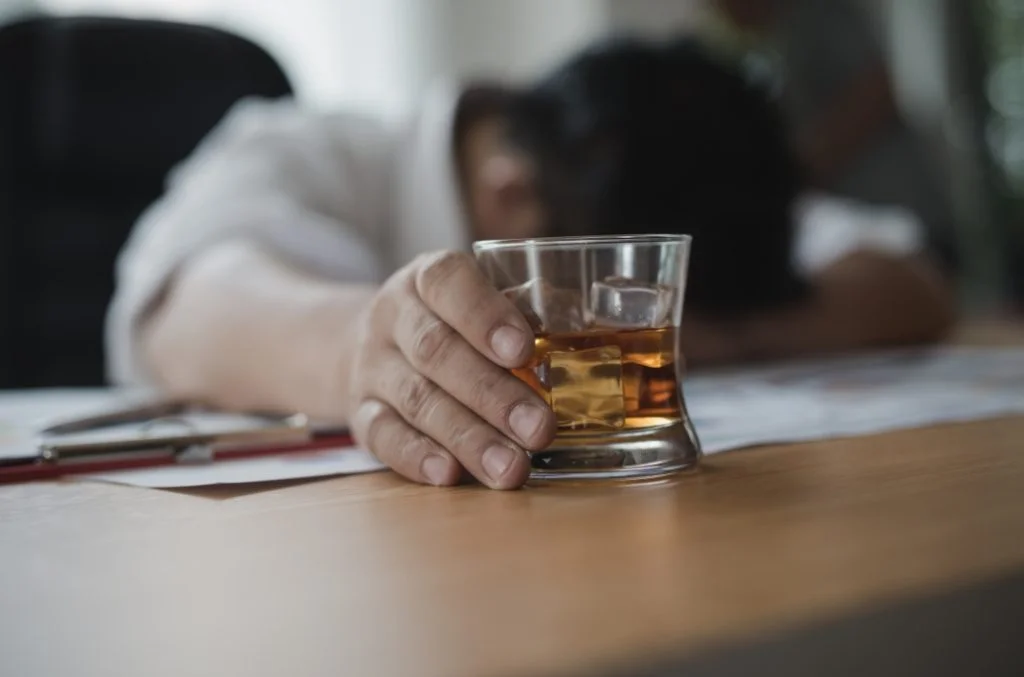
Public Intoxication
Under Alabama Code § 13A-11-10, public intoxication is classified as a violation when a person appears in a public place under the influence of alcohol, narcotics, or another drug to a degree that endangers themselves or another person, or engages in boisterous and offensive conduct that annoys others nearby. A conviction carries up to 30 days in county jail and a fine not exceeding $200 under § 13A-5-7 and § 13A-5-12.
Public intoxication charges in Alabama are often co-charged with DUI charges or disorderly conduct, making an arrest feel far more serious than the underlying violation classification suggests. While the offense sits at the lowest tier of Alabama's criminal code, a conviction still appears on background checks, can affect employment, and may complicate future expungement petitions. Understanding what the state must prove and what defenses are available is essential before accepting any outcome.
What Is Public Intoxication Under Alabama Law?
Alabama Code § 13A-11-10 defines the offense in two alternative ways. A person commits public intoxication if they appear in a public place under the influence of alcohol, narcotics, or another drug to the degree that they endanger themselves, another person, or property. Alternatively, the charge applies if the person engages in boisterous and offensive conduct that annoys another person nearby.
Both elements require more than simply being intoxicated. Alabama courts have consistently held that mere intoxication in public is not enough for a conviction. The state must demonstrate either actual or imminent danger to a person or property, or conduct that is disruptive enough to constitute a public annoyance. An officer's subjective belief that someone appeared drunk is insufficient without observable conduct meeting one of those two thresholds.
The charge applies in any location open to the general public: streets, sidewalks, parks, parking lots, bars, sports venues, and similar spaces. Private property, including a private residence or the interior of a vehicle parked on private land, does not qualify as a public place under the statute.
Statutory Classification
Despite being listed in Title 13A (the Criminal Code), public intoxication in Alabama is formally classified as a violation under § 13A-11-10(b), not a misdemeanor. This places it below Class C misdemeanors in Alabama's offense hierarchy. The distinction matters for sentencing, record-sealing eligibility, and how the charge is treated on background checks.
What Are the Penalties for Public Intoxication in Alabama?
A public intoxication conviction in Alabama carries the following maximum penalties under § 13A-5-7 and § 13A-5-12:
Maximum jail sentence: 30 days in county jail
Maximum fine: $200
Classification: Violation (not a misdemeanor or felony)
In practice, most first-time public intoxication cases result in a fine or time served from the night of arrest, not active jail time. However, judges retain discretion to impose up to the statutory maximum, particularly where the conduct was dangerous or where the defendant has a prior record. The table below compares the public intoxication violation against other Alabama offense classifications:
Classification | Jail Exposure | Maximum Fine | Criminal Record |
Public Intoxication (§ 13A-11-10) | Up to 30 days | Up to $200 | Violation (appears on background check) |
Class C Misdemeanor | Up to 3 months | Up to $500 | Misdemeanor conviction |
Class B Misdemeanor | Up to 6 months | Up to $3,000 | Misdemeanor conviction |
Class A Misdemeanor | Up to 1 year | Up to $6,000 | Misdemeanor conviction |
DUI (1st Offense, § 32-5A-191) | Up to 1 year | Up to $2,100 | Misdemeanor + license suspension |
Source: Ala. Code §§ 13A-5-7, 13A-5-12 (2024)
One practical consequence that surprises many defendants is that a violation conviction still creates a record accessible through standard background checks. Employers, landlords, and licensing boards can see it. This makes the decision of whether to contest the charge or accept a plea agreement more consequential than the nominal penalties suggest.
What Does the State Have to Prove?
To secure a conviction under § 13A-11-10, the prosecution must establish every element of the charge beyond a reasonable doubt. Because the statute offers two alternative bases for the offense, the state can proceed under either theory. The table below breaks down each element and the most common defense challenges
Element the State Must Prove | What That Means | Common Defense Challenge |
Appeared in a public place | Must occur in a location open to the public | Location was private property, not a public space |
Under the influence of alcohol, narcotics, or other drug | Must show actual intoxication, not just consumption | No reliable evidence of impairment level |
Endangers self, another person, or property | Risk of harm, not just intoxicated appearance | Conduct caused no actual or imminent danger |
OR boisterous/offensive conduct annoying another | Alternative element; no danger requirement | Behavior was not sufficiently disruptive or offensive |
Source: Ala. Code § 13A-11-10; Alabama Pattern Jury Instructions, Criminal
Officers often make public intoxication arrests based on a quick visual assessment, not a breath or blood test. That means the evidence frequently comes down to an officer's subjective account of how someone appeared and behaved. A defense attorney can examine whether the officer's testimony is consistent, whether any other evidence supports the endangerment or annoyance element, and whether proper procedures were followed during the stop and arrest.
What Happens When Public Intoxication Is Co-Charged With DUI?
It is common for Alabama law enforcement to charge public intoxication alongside a DUI under § 32-5A-191, particularly when a person is found intoxicated outside a vehicle after a traffic stop or accident, or when an officer believes the evidence is insufficient to sustain the DUI alone. The two charges address different conduct, but both stem from the same event.
A DUI charge in Alabama carries significantly greater consequences than a public intoxication violation. A first-offense DUI is a Class A misdemeanor with mandatory minimum fines between $600 and $2,100, a 90-day license suspension, and the possibility of up to one year in jail. A public intoxication violation, by contrast, carries a maximum of 30 days and $200. When both charges appear together, prosecutors may use the public intoxication charge as a fallback if the DUI cannot be proven, or as leverage in plea negotiations.
Defendants facing both charges should understand that pleading to the public intoxication violation does not necessarily resolve the DUI, and vice versa. Each charge must be addressed separately. An attorney's review of the stop, the officer's observations, and any chemical test results is essential before any plea is entered on either count.
What Are the Defenses to a Public Intoxication Charge in Alabama?
Several defenses apply to § 13A-11-10 charges depending on the facts of the arrest. None of these defenses guarantee a dismissal, but each creates a basis for contesting the charge at trial or negotiating a more favorable resolution.
No Endangerment or Offensive Conduct
The most direct defense challenges whether the defendant's conduct actually met either statutory element. Being visibly intoxicated in public is not, by itself, a crime under Alabama law. If the defendant was sitting quietly, walking without incident, or simply waiting in a parking lot, the state may not be able to satisfy the endangerment or annoyance requirement.
Location Was Not a Public Place
If the arrest occurred on private property, including a private parking lot, driveway, or residence, the "public place" element fails. This defense is particularly relevant when an officer enters private property to make the arrest or when the defendant was inside a privately owned establishment that had not opened to the public that evening.
No Independent Evidence of Intoxication
Because public intoxication arrests rarely involve breath or blood testing, the evidence is often limited to an officer's observations: slurred speech, unsteady gait, odor of alcohol. Officers can be mistaken, and medical conditions, medications, or physical disabilities can produce symptoms that resemble intoxication. A defense attorney can challenge whether the officer's testimony is sufficient to establish impairment beyond a reasonable doubt.
Unlawful Stop or Arrest
If the officer lacked reasonable suspicion to approach the defendant in the first place, or if the arrest was made without probable cause, evidence obtained from that contact may be suppressible. A successful suppression motion can leave the prosecution with insufficient evidence to proceed.
Does a Public Intoxication Conviction Stay on Your Record in Alabama?
Yes. A public intoxication conviction in Alabama creates a criminal record that appears on standard background checks even though the offense is classified as a violation rather than a misdemeanor. Prospective employers, landlords, professional licensing boards, and certain federal agencies conducting background investigations will see the conviction.
Alabama's expungement statute, Ala. Code § 15-27-1, allows petitions to expunge records for misdemeanor charges and violations in certain circumstances, including when a charge was dismissed with prejudice, resulted in a not-guilty verdict, or was dismissed without prejudice more than two years ago with no subsequent convictions. A conviction faces a higher bar and generally requires the defendant to pursue other relief strategies. For those whose charge was dismissed or resulted in acquittal, the expungement process in Alabama may be worth pursuing to remove the arrest record from public view.
What Should You Do After a Public Intoxication Arrest in Alabama?
The steps taken immediately after an arrest affect how the case develops. A public intoxication violation may seem minor, but the decisions made in the days following an arrest can determine whether the charge results in a conviction, a dismissal, or something in between.
Do Not Assume the Charge Will Resolve Itself
Some defendants ignore a public intoxication citation believing the low penalties make it not worth fighting. A conviction, however, creates a permanent record. Appearing in court, reviewing the evidence, and understanding whether a dismissal or diversion is available is always worth the effort.
Request a Court Date and Review All Evidence
Before any court appearance, request all evidence the prosecution intends to use, including the officer's incident report, any body camera footage, and any witness statements. Inconsistencies between the report and footage are common and can significantly affect the case.
Consult With a Defense Attorney Before Entering Any Plea
Entering a guilty plea without understanding all consequences, including the effect on a future expungement petition or professional license, can create long-term problems that outweigh the short-term convenience of resolving the case quickly.
Frequently Asked Questions About Public Intoxication in Alabama
Is public intoxication a misdemeanor in Alabama?
No. Under § 13A-11-10(b), public intoxication is classified as a violation in Alabama, which is a lower classification than a misdemeanor. The maximum sentence is 30 days in county jail and a $200 fine, compared to up to three months and $500 for a Class C misdemeanor.
Can I be arrested for public intoxication if I was not driving?
Yes. Public intoxication charges are entirely separate from DUI charges and do not require a vehicle. The offense applies to anyone who appears in a public place while intoxicated in a manner that endangers others or engages in offensive conduct, regardless of how they arrived there.
What counts as a "public place" under § 13A-11-10?
A public place includes any location open to the general public: streets, sidewalks, parks, parking lots, stadiums, bars, restaurants, and similar spaces. Private property, including a private residence or a privately parked vehicle, is generally not considered a public place under Alabama law.
Can a public intoxication charge be expunged in Alabama?
It depends on the outcome of the case. Charges that were dismissed, resulted in acquittal, or were not prosecuted may be eligible for expungement under § 15-27-1. A conviction carries a higher bar. An attorney can assess eligibility based on the specific disposition of the charge.
Will a public intoxication conviction affect my job?
Potentially. A conviction appears on standard background checks and may be visible to employers, landlords, and licensing boards. Professions requiring state licensure, security clearances, or work with vulnerable populations often conduct thorough background reviews where even a violation can raise questions.
What is the difference between public intoxication and disorderly conduct in Alabama?
Public intoxication under § 13A-11-10 specifically requires intoxication from alcohol, narcotics, or another drug. Disorderly conduct under § 13A-11-7 covers a broader range of disruptive behavior and does not require intoxication. Officers sometimes charge both when the facts support either.
Choose JB Brown Criminal Trial Practice
If you are facing a Class C felony charge in Alabama, contact JB Brown Criminal Trial Practice immediately at 205-583-7996. All consultations are completely confidential. The earlier experienced defense counsel is involved, the more options you have.
Team Members Specializing in Public Intoxication






Real Results. Real Victories.
Related Articles

A DUI charge in Alabama carries serious legal and personal consequences, including potential jail time, fines, and driver’s license suspension.

Expungement offers a fresh start by removing eligible arrests and certain convictions from public records.
Related Practice Areas
Get a Free Consultation With An Attorney
Time is critical in criminal defense cases. Contact us immediately for experienced legal representation.